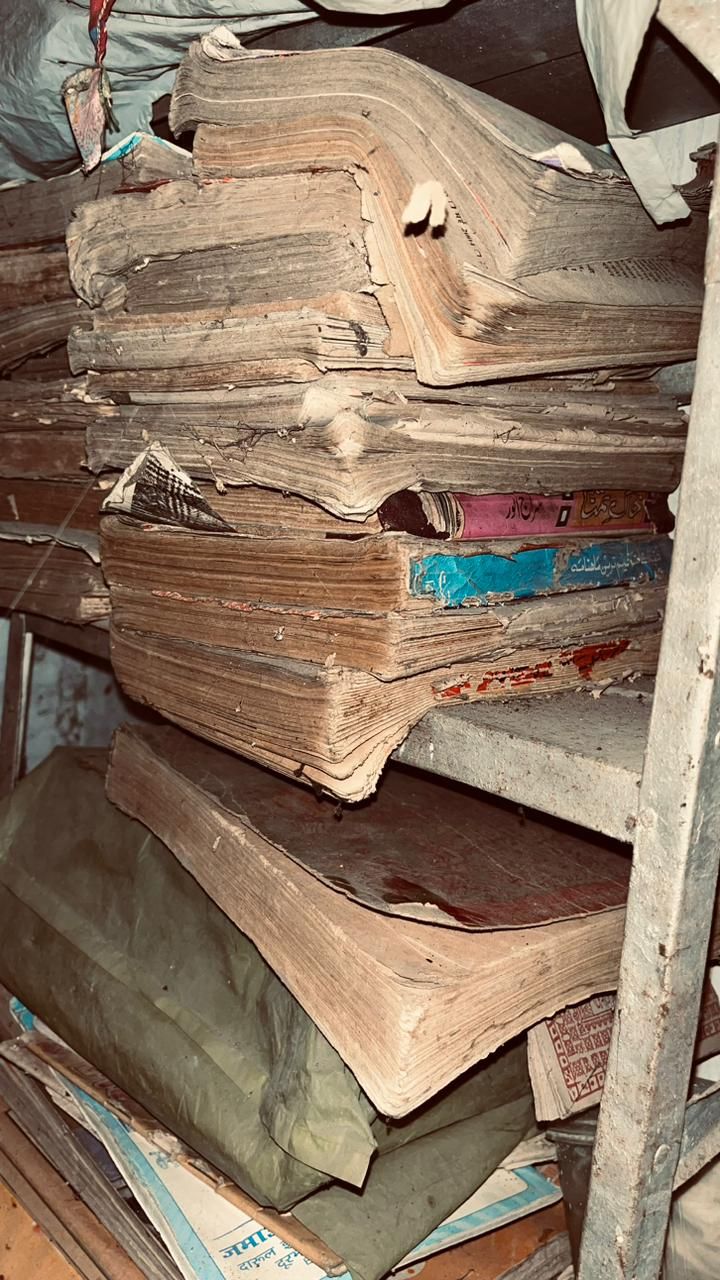
This is gonna involve breaking stuff down to the fundamentals...
What is paper made of?Paper is a composite of fibre and air. Cellulosic fibres come from plants, hairs, stems, seeds and leaves. Cellulosic fibers are the structural walls of plants which you can most commonly find in the form of cotton, hemp and jute.
Now this most commonly is taken from wood. Now the fibers are removed from the plant structure and then it is pulped. Pulped here can basically be understood with the analogy of grating your carrots with a grater and then making small 1mm pieces of each strand without moisture. Now this pulp goes into a process called Internal Fibrillation where the pulp fiber is suspended in water where it passes through stationary and rotating metal bars (similar to what happens inside your rice grinder at home) and there act compressive and sheering forces on the fiber that flex the walls. This again can be understood by the analogy of someone massaging your feet. there is a sheer and compressive force that acts between the hands of the therapist and your legs and that cyclic compression perpendicular to your skin and sheer force in the horizontal direction. Now inside the fibers the internal structure of the cell walls loosens up allowing water molecules to enter and hydrate the structure. This also removes a glue that was holding these fibers together called Lignin. This process increases the surface area and fiber flexibility, and which inturn increases the inter fiber bonding.
Now this wet fiber stuff that we have is then dried which removed the water molecules from those fibers. This process of drying involved mechanical pressing (like you twist and turn your clothes when you remove it from washing machine) and thermal drying (similar to your cloth ironing machine). But usually, it is mechanical pressing because that force on the fiber, not only removes the water but also helps form hydrogen bonds between the fibers.
The wood fibers are composed of cellulose which make up 40 to 50 %, hemicellulose which are polymers of various sugars and aids the bonding between wood fibers and lignin which a natural binder between wood. Lignin and hemicellulose are removed during the process of pulping, and the cellulose naturally has abundant hydroxyl group.
This is the structure of a cellulose chain. Now during that process of mechanical pressing, due to surface tension and the fibers being pulled towards each other, the hydrogen in the water molecules form bonds with the hydroxyl groups which are in abundant in a cellulose structure. Now this network of new bonds locks the fiber structure into a firmly bonded sheet of paper. The length of fibers determines the strength of the paper. That is the reason tearing a photo sheet of paper is difficult that tearing a normal A4 size sheet of print-paper.
So, water here is key that helped the fibers to bond and will help destroy the bonds as well when we create a romance between paper and water.
Now let's come to bleach...
What is bleach?
A molecule is a group of 2 or more atoms stuck together by some kind of chemical bonds. How does a molecule get color? that happens because of a chromophore. Chromophore is a molecule that absorbs and reflects a specific electromagnetic radiation.
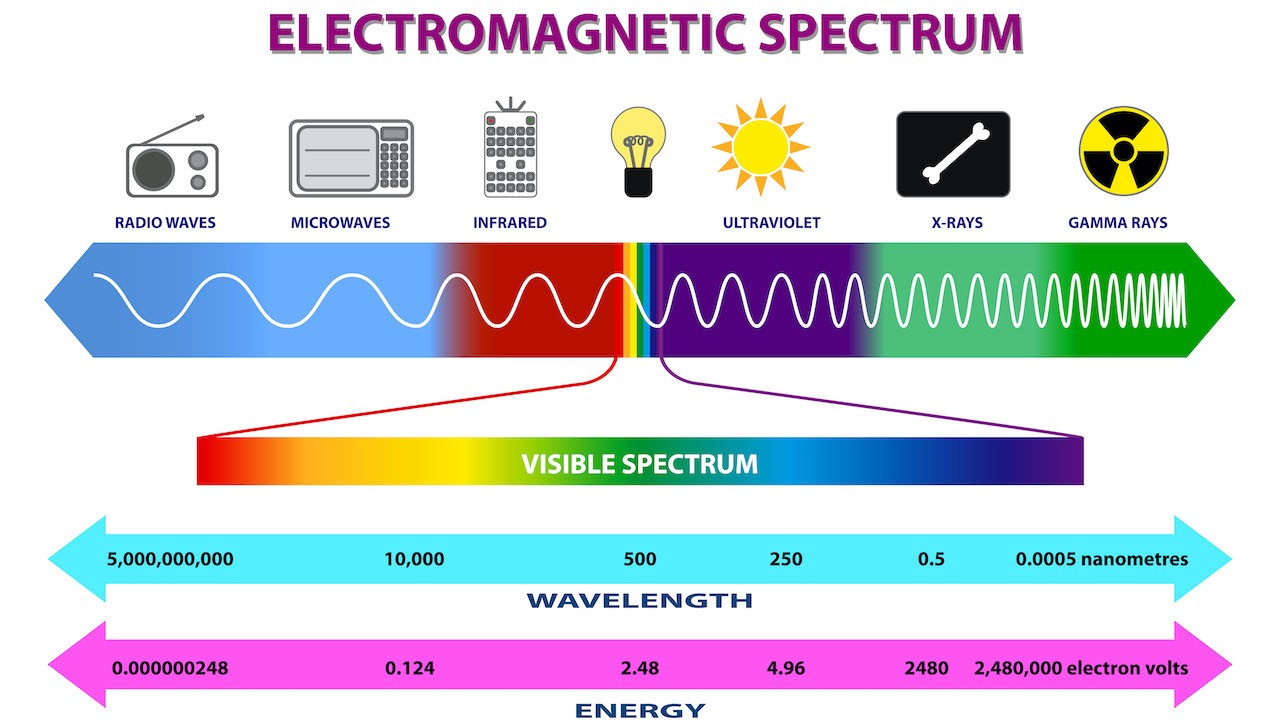
Now any color that is absorbed and reflected by the molecule that is from the visible spectrum, can be observed by us as color. Now this Chromophore functional groups like Alkene or Carbonyl or Nitro or Nitrate among others decide which kind of wavelength of light is absorbed. Now what we perceive is not only what the molecule absorbed and is reflecting. It is a combination of unabsorbed light as well were based on the color wheel we get to see the color. For example, indigo molecule absorbs yellow and orange wavelength, but the observed color is blue which is used as a dye for fabrics.
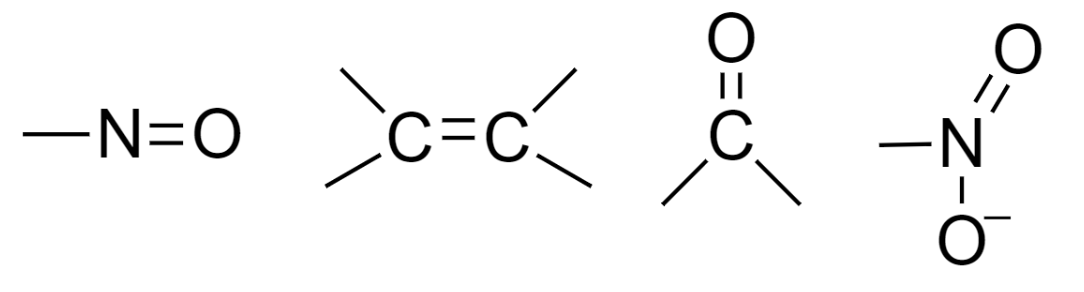
(Picture of chromophore type of bonds in molecules)
Now bleach just breaks the chemical bonds of a chromophore so that makes it change to reflect either no color or something outside the visible spectrum. And it does this by breaking the double bonds to a single bond and that alters the optical properties of a molecule and makes it colorless. A chlorine-based bleach such as NaClO (Sodium Hypochlorite) uses oxidation reaction to remove stains by breaking the chemical bond of the stain. So the tea that you spilled into your dress, all the bleach did is remove part of the molecule that was doing the job of giving a orange-brown color and voila, your white shirt is back to normal. And this is the same agent that is used to disinfect swimming pools too.
Bleaching powder or liquid based bleach both have chlorine in them. the difference is only in how stable the chlorine is in the powder form as compared to the liquid form. Chlorine dioxide is the unstable gas that is used to bleach that awesome fiber we go in the end while discussing what is paper made of. and that is the same gas used to disinfect your municipal water and direct inhalation of this gas can lead to severe eye and respiratory problems. The gas needs to be handled with care without being exposed to heat, sunlight and air, because it poses a threat of exploding.
But why chlorine??
Chlorine is aggressive when killing germs and bacteria and can easily break double bonds to decolour stuff, but it is comparatively easier to handle in everyday life compared to a potassium which will react with water in swimming pool and instantly catch fire, same with Fluorine. Calcium sounds like a good contestant, but it forms calcium hydroxide with water and creates limestone instead of killing bacteria in the pool.
Now that is bleach:

Now let's see what ink is made of, used for printing on books?
but should we worry about the ink in this case? because when the ink has been printed on the book, the ink goes into those fibers network. The ink is a component of coloring agents + solvents (which take care of the viscosity if the fluid) + additives + binders. Now when the ink goes into the network of fibers, the solvent evaporated which leave large pigment particles on the upper layer surface of the paper. Now these binders start solidifying the ink and wraps around the fibers like Velcro. Now the OH bonds of the paper start forming hydrogen bonds with nitrogen present in the ink resins.
Now let's come to the actual question of can we do it in real and will it work?
Well, the bleach liquid method won't work because recall from above that water was responsible for the bonding them together and water is also responsible for destroying them but that's not the only problem here. Due to the alkaline nature of bleach, it will at first remove the color absorbed by the molecules, make the ink disappear from the page. but the color of the paper turns yellow. The chlorine and oxygen molecules ClO attach the paper's cellulose fibers making it short in length and if you recall from above, the length of the fiber determines the strength of the paper. Basically, we'll be killing the book forever never to be used for printing again...
The solution is: Industrial De-inking and not what we set out for.
References:
https://thefiberwire.com/2014/09/19/paper-every-fiber-of-its-being/